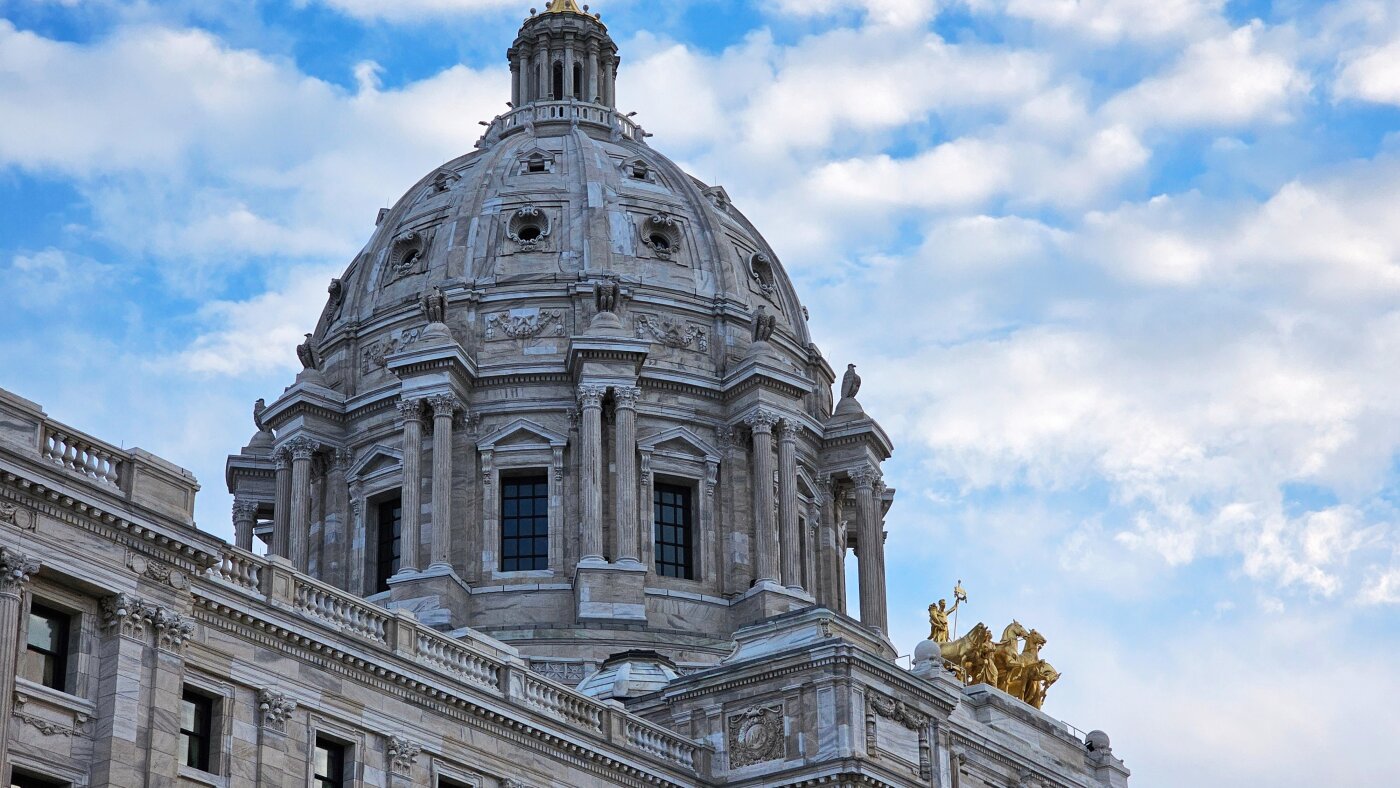
We provide continuous financial coverage including stock performance, earnings expectations, and broader economic indicators. Minnesota has become the first U.S. state to pass a law making it a felony for prediction market platforms such as Kalshi and Polymarket to operate within its borders. The move marks a significant escalation in state-level efforts to regulate the controversial industry, as dozens of other states have also pursued legal action.
Live News
trend overview Real-time monitoring of multiple asset classes can help traders manage risk more effectively. By understanding how commodities, currencies, and equities interact, investors can create hedging strategies or adjust their positions quickly. Minnesota lawmakers have enacted legislation that classifies operating prediction markets—platforms that allow users to bet on event outcomes like election results, sports, or economic data—as a felony offense. The new law specifically targets platforms such as Kalshi and Polymarket, two of the largest operators in the space. While many states have previously taken legal or regulatory steps against prediction markets, Minnesota is the first to impose criminal penalties of this severity. The legislation comes amid growing scrutiny of prediction markets from both federal and state authorities. The Commodity Futures Trading Commission (CFTC) has been examining the legality of event-based contracts, particularly those tied to political elections, which the agency argues may run afoul of federal law. State lawmakers in Minnesota have cited concerns about the potential for gambling-like behavior and the risk of market manipulation as justifications for the ban. Proponents of the law argue that prediction markets blur the line between financial trading and unregulated gambling, posing risks to consumers. Critics, however, contend that these markets provide valuable information aggregation and can serve as hedging tools for certain risks. The new Minnesota law does not specifically define which types of event contracts are covered, but its broad language could encompass a wide range of prediction market activities.
Minnesota Becomes First State to Criminalize Prediction Markets, Targeting Kalshi and PolymarketSome traders use futures data to anticipate movements in related markets. This approach helps them stay ahead of broader trends.Access to futures, forex, and commodity data broadens perspective. Traders gain insight into potential influences on equities.Cross-market observations reveal hidden opportunities and correlations. Awareness of global trends enhances portfolio resilience.
Key Highlights
trend overview Predictive tools provide guidance rather than instructions. Investors adjust recommendations based on their own strategy. - Minnesota is the first U.S. state to make operating prediction markets a felony, a significant departure from other states’ approaches, which have typically relied on civil enforcement or existing gambling laws. - Kalshi and Polymarket, both named in the legislation, may face substantial legal exposure in Minnesota, potentially including criminal charges for operators or executives. - The law’s passage could influence other jurisdictions considering similar restrictions; a dozen or more states have already taken legal action against prediction markets, though none had previously criminalized the practice. - Federal regulatory uncertainty adds another layer: the CFTC’s ongoing review of event contracts could lead to nationwide restrictions, but state-level action like Minnesota’s may accelerate a patchwork of regulations. - The move may dampen investor sentiment toward prediction market platforms, as potential fines or jail time could deter participation and raise compliance costs for firms operating across multiple states.
Minnesota Becomes First State to Criminalize Prediction Markets, Targeting Kalshi and PolymarketSome traders focus on short-term price movements, while others adopt long-term perspectives. Both approaches can benefit from real-time data, but their interpretation and application differ significantly.A systematic approach to portfolio allocation helps balance risk and reward. Investors who diversify across sectors, asset classes, and geographies often reduce the impact of market shocks and improve the consistency of returns over time.Some investors track currency movements alongside equities. Exchange rate fluctuations can influence international investments.
Expert Insights
trend overview Diversification in analysis methods can reduce the risk of error. Using multiple perspectives improves reliability. From a professional perspective, Minnesota’s legislation signals a potential shift in how states view prediction markets—moving from regulatory ambiguity to outright prohibition. While other states have issued cease-and-desist orders or pursued civil penalties, the classification of such activity as a felony is unprecedented. This could set a precedent for other state legislatures that are wary of the industry’s rapid growth. For investors and market participants, the development highlights the regulatory risks embedded in prediction market platforms. Kalshi, which has secured CFTC-approved contracts for some events, may still face state-level impediments that complicate its business model. Polymarket, which operates primarily through blockchain-based smart contracts, could face challenges in complying with jurisdictional laws. The broader implications for financial markets are uncertain. Prediction markets have been used by some analysts as alternative indicators for election outcomes or economic events. If other states follow Minnesota’s lead, the availability of such data could be reduced, potentially affecting decision-making by traders or researchers who rely on these platforms. However, the law’s impact on market efficiency or price discovery remains to be seen, as alternative data sources may emerge in response. Disclaimer: This analysis is for informational purposes only and does not constitute investment advice.