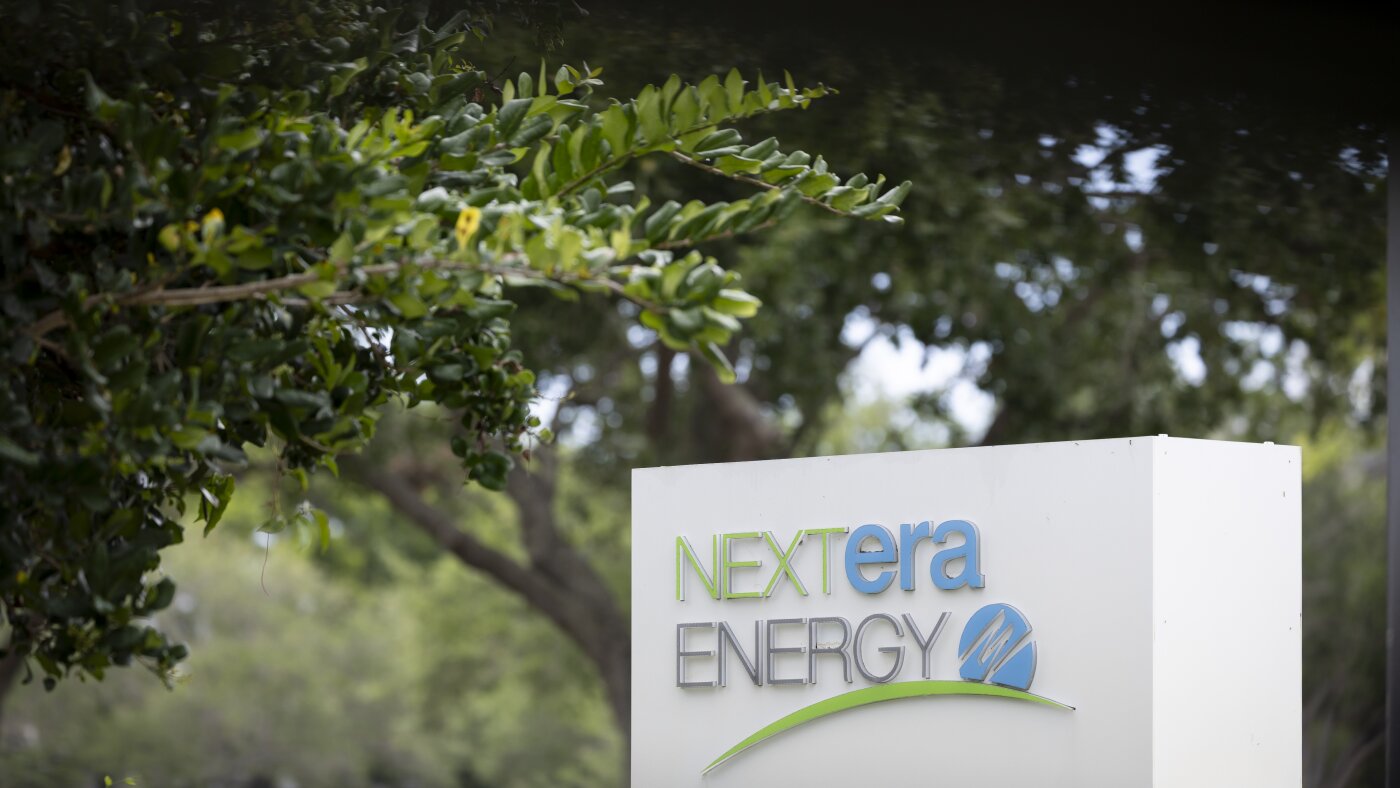
We focus on stock market intelligence, including earnings analysis, valuation trends, and sector performance tracking. NextEra Energy has announced plans to acquire Dominion Energy in a move that would create the largest electricity producer in the United States. The proposed merger, which could reshape the power sector, is being framed by both companies as a step toward improving long-term affordability for customers while accelerating the shift toward cleaner energy sources.
Live News
NextEra-Dominion Merger: What It Means for Electricity AffordabilityHistorical patterns still play a role even in a real-time world. Some investors use past price movements to inform current decisions, combining them with real-time feeds to anticipate volatility spikes or trend reversals.- Scale and Market Position: The combined entity would become the largest electricity producer in the U.S., with a diversified mix of renewable and conventional generation assets spanning multiple regions.
- Affordability Claims: Both companies argue that the merger would lower operating costs through economies of scale, potentially stabilizing or reducing electricity bills over time — a key selling point as inflation remains a concern for many households.
- Renewable Energy Synergy: NextEra’s strong track record in wind, solar, and battery projects could accelerate Dominion’s decarbonization goals, aligning with federal clean energy incentives and state-level renewable portfolio standards.
- Regulatory Hurdles: The merger faces a lengthy approval process, with scrutiny from federal antitrust authorities and state utility commissions. Past large-scale utility mergers have sometimes resulted in conditions requiring rate credits or investment commitments.
- Customer Impact: Residential and commercial customers in Dominion’s service territories may see changes in rate structures, grid reliability investments, and the pace of renewable additions, though the exact outcome remains uncertain pending regulatory outcomes.
NextEra-Dominion Merger: What It Means for Electricity AffordabilitySome traders focus on short-term price movements, while others adopt long-term perspectives. Both approaches can benefit from real-time data, but their interpretation and application differ significantly.Market anomalies can present strategic opportunities. Experts study unusual pricing behavior, divergences between correlated assets, and sudden shifts in liquidity to identify actionable trades with favorable risk-reward profiles.NextEra-Dominion Merger: What It Means for Electricity AffordabilityCross-market correlations often reveal early warning signals. Professionals observe relationships between equities, derivatives, and commodities to anticipate potential shocks and make informed preemptive adjustments.
Key Highlights
NextEra-Dominion Merger: What It Means for Electricity AffordabilityIncorporating sentiment analysis complements traditional technical indicators. Social media trends, news sentiment, and forum discussions provide additional layers of insight into market psychology. When combined with real-time pricing data, these indicators can highlight emerging trends before they manifest in broader markets.NextEra Energy, a Florida-based leader in renewable energy, recently disclosed its intention to acquire Dominion Energy, a major regulated utility operating across several states. If completed, the combination would form the nation’s largest electricity producer by generation capacity, surpassing current industry leaders. The deal comes amid rising electricity demand driven by data centers, electrification, and industrial reshoring, while utilities face pressure to keep rates affordable for households and businesses.
Neither company has disclosed detailed financial terms publicly, but the acquisition is expected to involve a mix of cash, stock, and assumed debt. Regulatory approvals from federal and state authorities will be required, and the timeline to close remains uncertain, with analysts pointing to potential antitrust scrutiny. NextEra’s expertise in wind, solar, and battery storage could help modernize Dominion’s generation fleet, while Dominion’s extensive regulated utility base would offer NextEra stable, long-term cash flows. The merger’s success, however, will hinge on convincing regulators that the consolidation benefits customers — a key concern given past utility mergers that led to rate hikes or service deterioration.
In a statement, NextEra’s CEO emphasized the potential for “cost efficiencies and scale that can be passed on to consumers,” while Dominion’s leadership highlighted the “shared vision of a reliable, affordable, and clean energy future.” The companies plan to submit applications to the Federal Energy Regulatory Commission and relevant state commissions in the coming months.
NextEra-Dominion Merger: What It Means for Electricity AffordabilitySeasonality can play a role in market trends, as certain periods of the year often exhibit predictable behaviors. Recognizing these patterns allows investors to anticipate potential opportunities and avoid surprises, particularly in commodity and retail-related markets.Tracking global futures alongside local equities offers insight into broader market sentiment. Futures often react faster to macroeconomic developments, providing early signals for equity investors.NextEra-Dominion Merger: What It Means for Electricity AffordabilityScenario planning is a key component of professional investment strategies. By modeling potential market outcomes under varying economic conditions, investors can prepare contingency plans that safeguard capital and optimize risk-adjusted returns. This approach reduces exposure to unforeseen market shocks.
Expert Insights
NextEra-Dominion Merger: What It Means for Electricity AffordabilitySome investors use scenario analysis to anticipate market reactions under various conditions. This method helps in preparing for unexpected outcomes and ensures that strategies remain flexible and resilient.From an investment perspective, the proposed acquisition represents a significant bet on the continued growth of the U.S. power sector and the integration of renewables at scale. Analysts suggest that if the merger receives approval, it could set a precedent for further consolidation in an industry where fragmented ownership of generation assets is common.
However, the deal also carries notable risks. The sheer size of the combined company may attract heightened regulatory oversight, and any conditions imposed could limit the expected cost synergies. Moreover, integration of two large, distinct corporate cultures — one heavily focused on renewable development, the other on regulated utility operations — may prove challenging.
For investors, the outcome of this merger could influence valuations across the utility sector. A successful combination might encourage other large renewable developers to pursue acquisitions of regulated utilities, while a rejection could signal that regulators are wary of further concentration. The cautious market response in recent days — with both stocks experiencing moderate volatility — reflects the uncertainty around approval odds and the potential dilution of existing shareholder value.
Ultimately, the merger’s ability to deliver on its affordability promise will depend on execution, regulatory conditions, and the trajectory of energy commodity prices. As the review process unfolds, stakeholders — from regulators to customers to shareholders — will be watching closely to see whether this historic consolidation truly benefits the millions of Americans who depend on reliable, affordable electricity.
NextEra-Dominion Merger: What It Means for Electricity AffordabilityReal-time data can highlight momentum shifts early. Investors who detect these changes quickly can capitalize on short-term opportunities.Monitoring market liquidity is critical for understanding price stability and transaction costs. Thinly traded assets can exhibit exaggerated volatility, making timing and order placement particularly important. Professional investors assess liquidity alongside volume trends to optimize execution strategies.NextEra-Dominion Merger: What It Means for Electricity AffordabilityReal-time data can highlight momentum shifts early. Investors who detect these changes quickly can capitalize on short-term opportunities.